Pelvic Floor Physical Therapy in Huntersville: A Complete Guide to Recovery and Performance
- Stephanie Wilson
- Jun 3
- 5 min read

Are you experiencing discomfort, leakage, or pain that holds you back from daily life? Or perhaps you are an athlete looking to build a stronger core foundation and improve power output? Pelvic floor physical therapy in Huntersville, NC offers a path not just to recovery, but to lasting performance.
At Proactive Motion Physical Therapy, we understand that pelvic health is fundamental to overall well-being and athletic capability. This guide explores how specialized pelvic health physical therapy can address a range of conditions, restore function, and help you reach your personal and athletic goals.
What Is the Pelvic Floor?
The pelvic floor is a group of muscles, ligaments, and connective tissues that form a hammock-like structure at the base of your pelvis. These muscles support your internal organs, maintain continence, facilitate sexual function, and contribute significantly to core stability. A well-functioning pelvic floor is integral to efficient movement mechanics and athletic performance.
Why Pelvic Floor Health Matters for Everyone
While often associated with women and childbirth, pelvic floor dysfunction can affect people of all genders. Issues can arise from genetics, trauma, surgery, chronic straining, or high-impact activities. Understanding the diverse functions of these muscles is the first step toward appreciating their role in both daily comfort and peak physical performance.
At Proactive Motion Physical Therapy, we treat the whole person, ensuring these foundational muscles are integrated into your overall movement patterns.

When to Seek Pelvic Floor Physical Therapy
Incontinence: Reclaiming Control and Confidence
Involuntary leakage of urine, whether stress or urge related, is common but not normal. Pelvic floor physical therapy offers highly effective, non-invasive solutions.
Our approach identifies the root cause, whether that is muscle weakness, overactivity, or poor coordination, and addresses it directly. Restoring bladder and bowel control helps you regain confidence during workouts, runs through Huntersville, and everyday activities.
Pelvic Pain: Finding Relief and Lasting Solutions
Chronic pelvic pain, painful intercourse, or discomfort related to conditions like endometriosis can significantly impact your quality of life. Our therapists use a holistic approach that includes manual therapy, myofascial release, and trigger point therapy to address muscle tension and soft tissue restrictions contributing to your pain. The goal is to alleviate symptoms and equip you with long-term pain management strategies.
Prenatal and Postpartum Support
From preparing your body for birth to recovering after delivery, pelvic floor PT is invaluable at every stage. We address conditions such as diastasis recti, pelvic organ prolapse, and safe return to exercise postpartum. Proactive care during pregnancy and tailored postpartum recovery rehabilitation can dramatically improve your recovery timeline and help you return to the activities you love.
Menopause and Healthy Aging
Hormonal changes during menopause can affect pelvic floor muscle tone and function. Pelvic health physical therapy provides targeted support for women navigating these changes, helping maintain strength, control, and comfort through every life stage.
Pelvic Floor Health and Athletic Performance
Core Stability and Power Generation
The pelvic floor is a critical component of your inner core unit, working in coordination with your diaphragm and deep abdominal muscles. Optimal function of this unit translates to superior core stability, which is essential for efficient power transfer, balance, and agility. Whether you are lifting heavy or sprinting, enhancing pelvic floor control directly contributes to improved athletic output.
Injury Prevention and Resilience
A well-integrated pelvic floor can reduce the risk of common athletic injuries, including low back pain, hip pain, and hamstring strains. By optimizing intra-abdominal pressure management, athletes build a more resilient body capable of withstanding high-intensity training demands. Addressing pelvic floor function is a proactive step toward injury prevention and long-term performance.
Return to Sport and Running
For athletes recovering from injury or surgery, pelvic floor rehabilitation is often a missing piece of the return-to-sport puzzle. At Proactive Motion Physical Therapy, we incorporate plyometrics and return-to-sport progressions, running gait analysis, and functional movement assessments to ensure you are moving efficiently and safely before ramping back up to full activity.
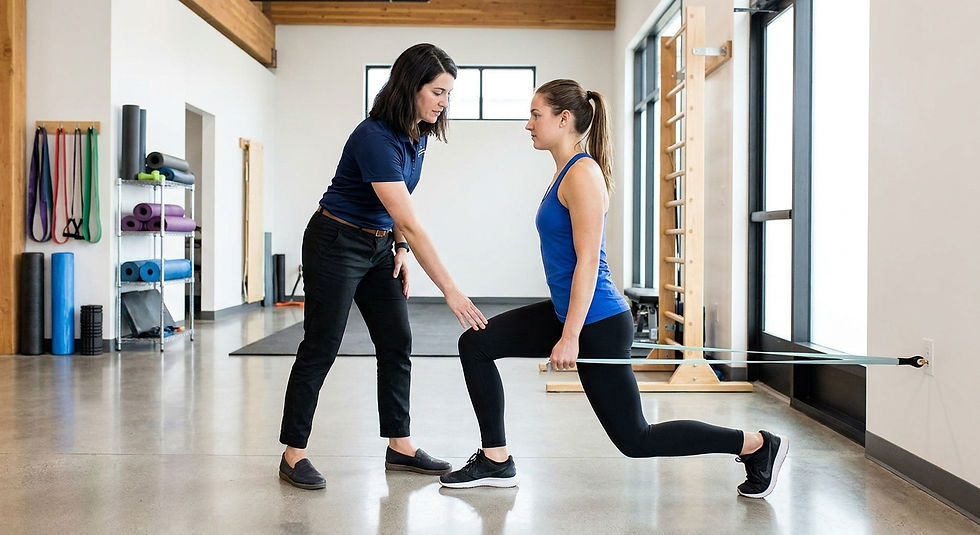
What to Expect at Proactive Motion Physical Therapy
A Thorough Initial Evaluation
Your first visit begins with a confidential discussion about your medical history, symptoms, and goals. A comprehensive physical assessment follows, which may include a movement screen and functional movement assessment to evaluate how your pelvic floor interacts with the rest of your body. With your consent, an internal pelvic floor muscle examination may be performed to accurately assess muscle function and tension. Your comfort and privacy are always the top priority.
A Customized Treatment Plan
Based on evaluation findings, a personalized treatment plan is developed to address your specific needs and performance goals. This plan is a collaborative effort designed to align with your lifestyle and deliver sustainable results. Treatment continues until your goals are fully met, without artificial limitations on your progress.
One-on-One Care at Every Visit
At Proactive Motion Physical Therapy, every session is conducted one-on-one with a Doctor of Physical Therapy. You will never be handed off to an aide or assistant. This dedicated attention allows for deeper assessment, real-time plan adjustments, and a level of care that produces meaningful, lasting outcomes.
Treatment Modalities We Use
Our approach draws from a broad range of evidence-based techniques tailored to your individual presentation.
Manual Therapy: Hands-on techniques including joint mobilization, soft tissue mobilization, and myofascial release to restore movement and reduce pain.
Pelvic Floor Internal Techniques: Specialized assessment and treatment of internal pelvic floor muscles to address tension, weakness, or coordination deficits.
Dry Needling: Thin, sterile needles are used to release trigger points within tight or painful muscles, alleviating pain and restoring normal muscle function.
Cupping and IASTM / Graston: Advanced soft tissue tools used to reduce fascial restrictions and accelerate tissue recovery.
Therapeutic Exercise: Personalized programs focused on pelvic floor activation, neuromuscular re-education, strength building, and functional movement integration.
Taping (KT / Athletic Taping): Applied to support joints and soft tissue during recovery and return to activity.
Trigger Point Therapy: Targeted release of muscle knots contributing to pain and movement dysfunction.
Conditions We Treat
Pelvic floor dysfunction rarely exists in isolation. Our therapists are trained to address the full picture, including related musculoskeletal conditions that may be contributing to your symptoms.
Pelvic Health: Pelvic pain, incontinence, painful intercourse, diastasis recti, prolapse, endometriosis pain support
Spine: Low back pain, sciatica, mid back pain, neck pain
Lower Extremity: Hip pain, hip impingement, knee pain, IT band syndrome, hamstring strain, plantar fasciitis, Achilles tendinopathy
Upper Extremity: Shoulder pain, rotator cuff injuries, elbow pain, wrist pain
Other: Arthritis, tendinopathy, overuse injuries, headaches, TMJ pain
Lasting Benefits of Pelvic Floor Physical Therapy
The goal at Proactive Motion Physical Therapy extends well beyond temporary relief. Through personalized treatment and education, we aim for sustainable recovery and long-term function.
Reduced or eliminated pelvic pain and discomfort
Improved bladder and bowel control
Enhanced core stability and athletic performance
Safer, more confident return to sport or running
Stronger foundation for prenatal and postpartum recovery
Greater body awareness and tools to maintain your health independently
Frequently Asked Questions
Is pelvic floor PT only for women?
No. Men also have pelvic floors and can experience conditions such as incontinence and pelvic pain that respond well to specialized treatment. Pelvic floor physical therapy is appropriate for anyone experiencing dysfunction in this region.
Is the treatment painful?
Our approach is gentle and prioritizes your comfort throughout. Some techniques may involve mild discomfort as muscles release, but open communication is encouraged at every step to ensure a positive experience.
Do I need a doctor's referral?
No referral is required. You have direct access to care at Proactive Motion Physical Therapy and can begin treatment without waiting for a physician's order.
Do you offer home visits?
Yes. In addition to in-clinic sessions near Birkdale Village in Huntersville, NC, Proactive Motion Physical Therapy offers home visit and mobile PT options for added convenience.
Pelvic floor challenges and untapped athletic potential do not have to define your daily experience. Pelvic floor physical therapy at Proactive Motion Physical Therapy offers a dedicated, evidence-based path to recovery and performance in Huntersville, NC.
Contact Proactive Motion Physical Therapy today to schedule your personalized evaluation and take the first proactive step toward a stronger, healthier foundation.


Comments